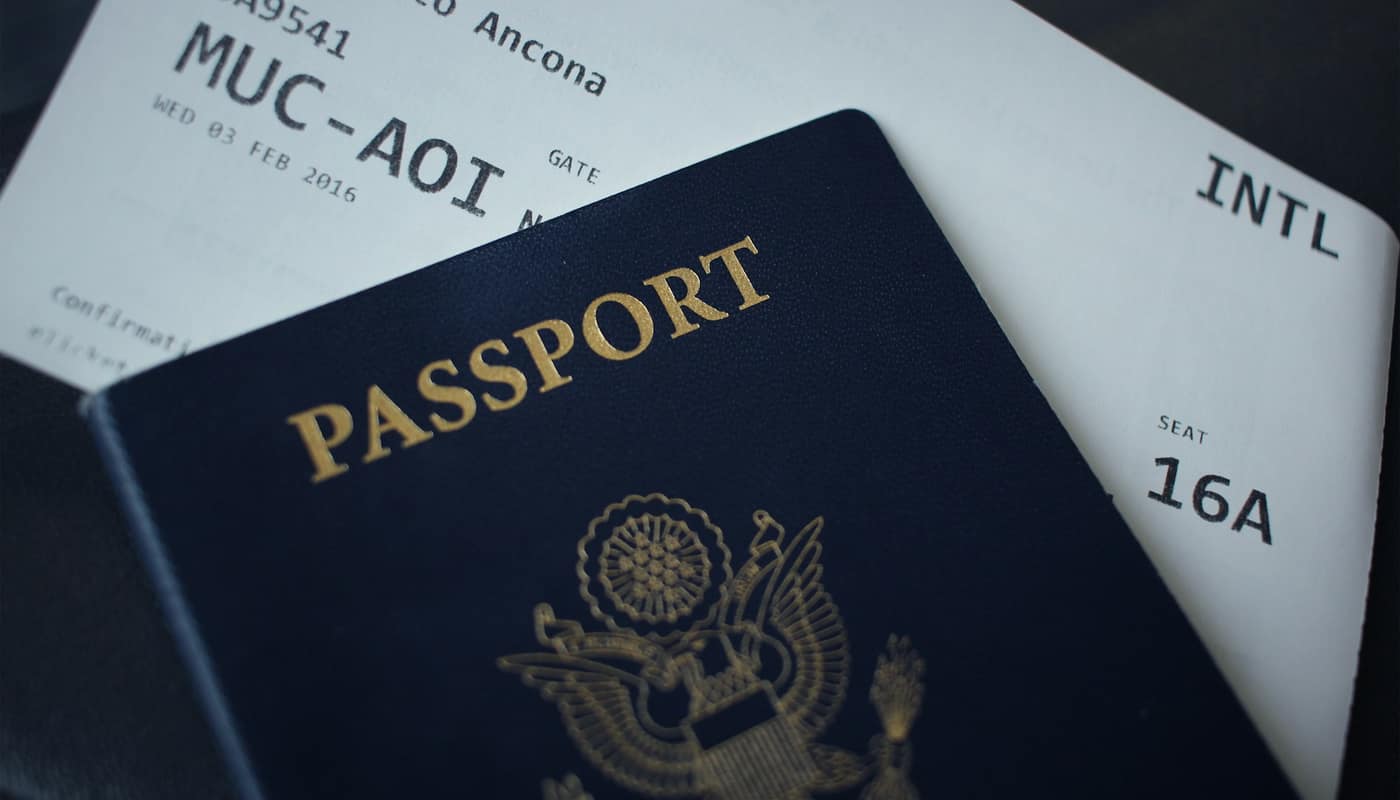
You land at midday after an overnight flight, feeling wide awake at 3 a.m. by your body’s reckoning and wrecked at the dinner table. That is jet lag, and it affects almost everyone who crosses several time zones quickly. It is temporary, and while it cannot be eliminated, a few habits can shorten it.
This article is general information about travel and sleep, not medical advice.
What jet lag is
Your body runs on an internal clock, the circadian rhythm, which sets a daily cycle of sleepiness, alertness, body temperature and hormone release. The clock is guided mainly by light. When you fly across time zones faster than the clock can shift, your internal time and local time no longer match. The result is the group of symptoms known as jet lag: trouble sleeping at night, daytime tiredness, difficulty concentrating, irritability and sometimes digestive upset or headaches.
The U.S. Centers for Disease Control and Prevention’s travel health guidance describes jet lag as a temporary condition. It is not a sign of illness, though it can be miserable.
Why direction matters
The body clock tends to run slightly longer than 24 hours, which makes it easier to delay than to advance. As a result, flying west (lengthening your day) is usually easier than flying east (shortening it), because staying up later is easier than falling asleep earlier than your body wants. The more time zones you cross, the stronger the effect. Many travelers cite a rough rule that recovery takes about a day for each time zone crossed, but individual differences are large, and it should be treated as a ballpark, not a guarantee.
Before you leave
- Start shifting your schedule. If you are traveling east, going to bed and getting up somewhat earlier for a few days before departure can narrow the gap. If you are traveling west, shift later.
- Be well-rested. Starting a trip already short on sleep makes jet lag harder. Basic sleep needs are covered in how much sleep adults need.
- Plan the arrival. Where possible, avoid scheduling important meetings or a long drive right after landing.
On the flight
- Set your watch to the destination time when you board and try to eat and sleep accordingly. If it is night where you are going, try to rest, and if it is day, stay awake if you can.
- Drink water. Cabin air is dry, and dehydration adds to fatigue.
- Limit alcohol and heavy meals. Alcohol can fragment sleep, even if it makes you drowsy at first.
- Use caffeine strategically. A coffee can help you through a daytime slump at your destination, but it can interfere with sleep if taken late.
- Move occasionally. Standing and walking the aisle helps circulation and comfort on long flights.
After you land
Light is the most powerful tool, and timing matters:
- After flying east, seek morning light at your destination to help shift the clock earlier, and avoid bright light late in the evening. In some cases, very early morning light right after a large eastward shift can push the clock the wrong way, so with big shifts of many hours, some sleep experts suggest waiting a bit before seeking bright light.
- After flying west, get exposure to light in the late afternoon and evening, which helps you stay up and shifts the clock later.
Other steps:
- Stay on local time. Eat and sleep by local clocks as soon as possible.
- Keep naps short. A nap of 20 to 30 minutes can take the edge off without disrupting night sleep. Long naps late in the day make adjustment harder.
- Get outside and move. Daylight and gentle exercise help alertness, and the topic of regular activity is covered in what the physical activity guidelines say.
- Make your room conducive to sleep: dark, cool and quiet.
- Be careful driving. Drowsiness can impair reaction time, so avoid long drives when you are exhausted.
Melatonin and sleep aids
Melatonin is a hormone that the body produces in the evening, and it is sold as a supplement in the United States. The National Center for Complementary and Integrative Health, part of the National Institutes of Health, has said that melatonin may help with jet lag in some travelers, particularly when traveling across several time zones, and that short-term use appears to be safe for most healthy adults. The timing and dose affect results, and supplements are not regulated like prescription drugs, so product content can vary. People who are pregnant, take other medications, or have a health condition should talk to a doctor or pharmacist first. Prescription sleep medications carry their own risks and are a decision for a clinician.
When does a short trip not justify adjusting?
For a stay of a day or two, some travelers choose to keep their home schedule as much as possible instead of trying to adapt. That can work if meetings can be scheduled around it. For longer trips, adjusting to local time makes more sense.
When should you see a professional?
If sleep problems persist for weeks after you return, or if you have a health condition that makes travel more complicated, see a health professional. Frequent travelers or shift workers whose sleep is regularly disrupted can ask about longer-term strategies.
Travel can also be disrupted in other ways, and your rights when flights are delayed or canceled matter when the schedule slips. Treat the first day or two as recovery time, and the adjustment usually takes care of itself.
Sources: Centers for Disease Control and Prevention; National Center for Complementary and Integrative Health; National Institutes of Health; American Academy of Sleep Medicine