For years, REAL ID sounded like a deadline that kept moving. It is now in force. TSA began enforcing the requirement at airport checkpoints on May 7, 2025, which means that a standard driver’s license that is not REAL ID-compliant is no longer enough on its own to board a domestic flight. The rule has a few details that confuse travelers, so here is how it works.
What REAL ID is
The REAL ID Act of 2005 set minimum security standards for state-issued driver’s licenses and identification cards, and it barred federal agencies from accepting noncompliant cards for certain official purposes. The law was passed after recommendations from the 9/11 Commission, which called for more secure identification. States were slow to implement and the federal government extended deadlines several times, partly because of costs and technical changes, and then by the pandemic.
The Department of Homeland Security, which oversees the program, says the standards cover how a state verifies the documents applicants present, how it issues cards and how the cards are made. A compliant card is not a national ID card. States still issue and control their own licenses.
How do you know if your card is compliant?
Look for a star marking in the upper portion of the card. Depending on the state, it may be a gold or black star, sometimes inside a circle or a bear, a flag or other state-specific design. A card without the star is not compliant. Some states issue both compliant and noncompliant versions, and the choice is often made when you apply or renew.
If your card is not compliant, you generally need to apply for a replacement in person at your state’s motor vehicle agency. Requirements vary by state, but the DHS guidance lists the usual documents: proof of identity such as a birth certificate or passport, proof of your Social Security number, and two documents that show your current address. Some states let you start the application online and book an appointment. Fees and processing times depend on the state, so check your motor vehicle agency’s website.
Other IDs TSA accepts
You do not need a REAL ID if you have another acceptable form of identification. TSA’s list includes:
- A U.S. passport or passport card.
- A Department of Homeland Security trusted traveler card, such as Global Entry, NEXUS or SENTRI.
- A U.S. Department of Defense ID, including military dependent IDs.
- A permanent resident card.
- A state-issued enhanced driver’s license, available in a few states and compliant with REAL ID.
- Certain tribal-issued photo IDs and other documents listed on TSA’s site.
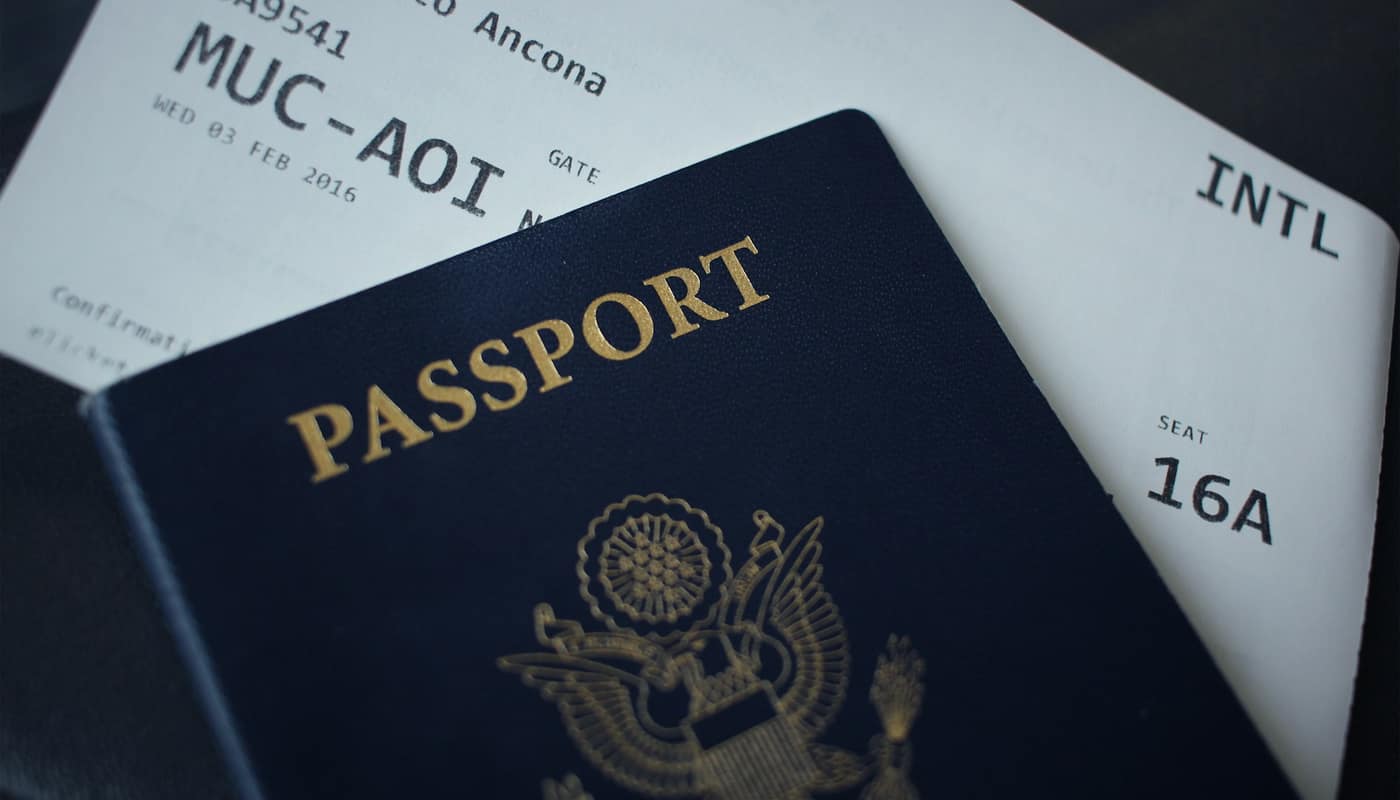
TSA publishes the full current list, and it can change, so it is worth checking before you travel. Foreign passports are accepted for visitors to the United States.
What if you show up without acceptable ID?
TSA has created an alternative identity verification process, called ConfirmID, for travelers who arrive without an acceptable ID. It involves a fee and extra screening steps, and there is no guarantee that your identity can be verified or that you will make your flight. It is a backup, not a plan, and it can take extra time. TSA advises arriving early, and the agency’s website describes the process and current cost.
Who is exempt, and what doesn’t change
REAL ID applies to adults boarding domestic commercial flights and to entering certain federal facilities, such as secure federal buildings and military bases. A few points trip people up:
- Children. TSA does not require identification for travelers under 18 when flying within the United States, though airlines may have their own rules and international travel requires a passport.
- International travel. You still need a passport, or another document accepted for the route, no matter what is on your driver’s license.
- Driving, voting and benefits. REAL ID does not affect your ability to drive, vote, collect Social Security or Medicare benefits, or get medical care.
- Other transport. Trains, buses and ships are not covered by the TSA airport requirement.
Getting ready
- Check your card now for the star, instead of discovering the problem at the airport.
- Make sure your name matches across your ticket and ID, especially if you have changed your name.
- Bring a backup, such as a passport, if you are unsure.
- Allow extra time if you need an alternate verification.
- Watch for scams. Government-looking sites that charge extra fees for REAL ID applications are sometimes used by scammers. Use your state agency’s official website, which generally ends in .gov.
If a flight is disrupted for other reasons, a different set of rules applies, covered in what your rights are when flights are delayed or canceled. The law itself, like most federal statutes, followed the steps explained in how a bill becomes law, and the requirements are administered by the executive branch.
Because the requirements are set by federal and state agencies, the most reliable sources are TSA, DHS and your motor vehicle agency.
Sources: Transportation Security Administration; Department of Homeland Security; REAL ID Act of 2005; 9/11 Commission; U.S. Department of State