This is general information, not personal medical advice. If you have a health condition, are pregnant or have been inactive for a long time, talk with a clinician before changing your activity level.
Fitness advice online is loud and contradictory. A good anchor is the federal guidance that most health agencies draw on: the Physical Activity Guidelines for Americans, published by the Department of Health and Human Services. The second edition, released in 2018, summarizes the evidence on how much activity people need at different ages. The headline message is simple and encouraging: some activity is better than none.
The target for adults
For substantial health benefits, adults are advised to do:
- At least 150 to 300 minutes a week of moderate-intensity aerobic activity, or 75 to 150 minutes of vigorous-intensity activity, or an equivalent mix of the two.
- Muscle-strengthening activities of moderate or greater intensity that involve all major muscle groups on two or more days a week.
The guidelines say that more than 300 minutes of moderate activity weekly provides additional benefits, and that people can accumulate time in short bouts throughout the day. The earlier guidance, which counted only sessions of ten minutes or longer, was dropped in the 2018 edition, because evidence shows that bouts of any length contribute.
Moderate versus vigorous
Intensity describes how hard your body is working.
- Moderate-intensity activity raises your heart rate and breathing, but you can still talk. A “talk test” works as a rough guide: you can talk, but not sing. Examples include brisk walking, water aerobics, easy cycling, ballroom dancing and pushing a lawn mower.
- Vigorous-intensity activity makes you breathe hard and fast, and you can say only a few words without pausing. Examples include running, swimming laps, cycling uphill, hiking with a heavy pack and singles tennis.
One minute of vigorous activity counts about as much as two minutes of moderate activity toward the weekly goal. Exertion is relative, so what is moderate for a fit person may be vigorous for someone just starting.
Children, older adults and pregnancy
The guidelines give different targets for different groups:
- Children and adolescents ages 6 to 17: 60 minutes or more of moderate-to-vigorous activity daily, including vigorous activity on at least three days a week, along with muscle-strengthening and bone-strengthening activities on at least three days a week.
- Preschool-age children (3 to 5): to be physically active throughout the day, with adult caregivers encouraging active play.
- Older adults: the same aerobic and muscle-strengthening targets as other adults when able, along with activities that improve balance, such as standing on one foot or tai chi, and an activity plan that takes chronic conditions into account.
- Pregnant and postpartum women: at least 150 minutes of moderate-intensity aerobic activity a week, with adjustments as advised by their health care provider.
- Adults with chronic conditions or disabilities: to follow the adult targets if possible and be as active as abilities allow, ideally with guidance from a health professional.
Why does it matter?
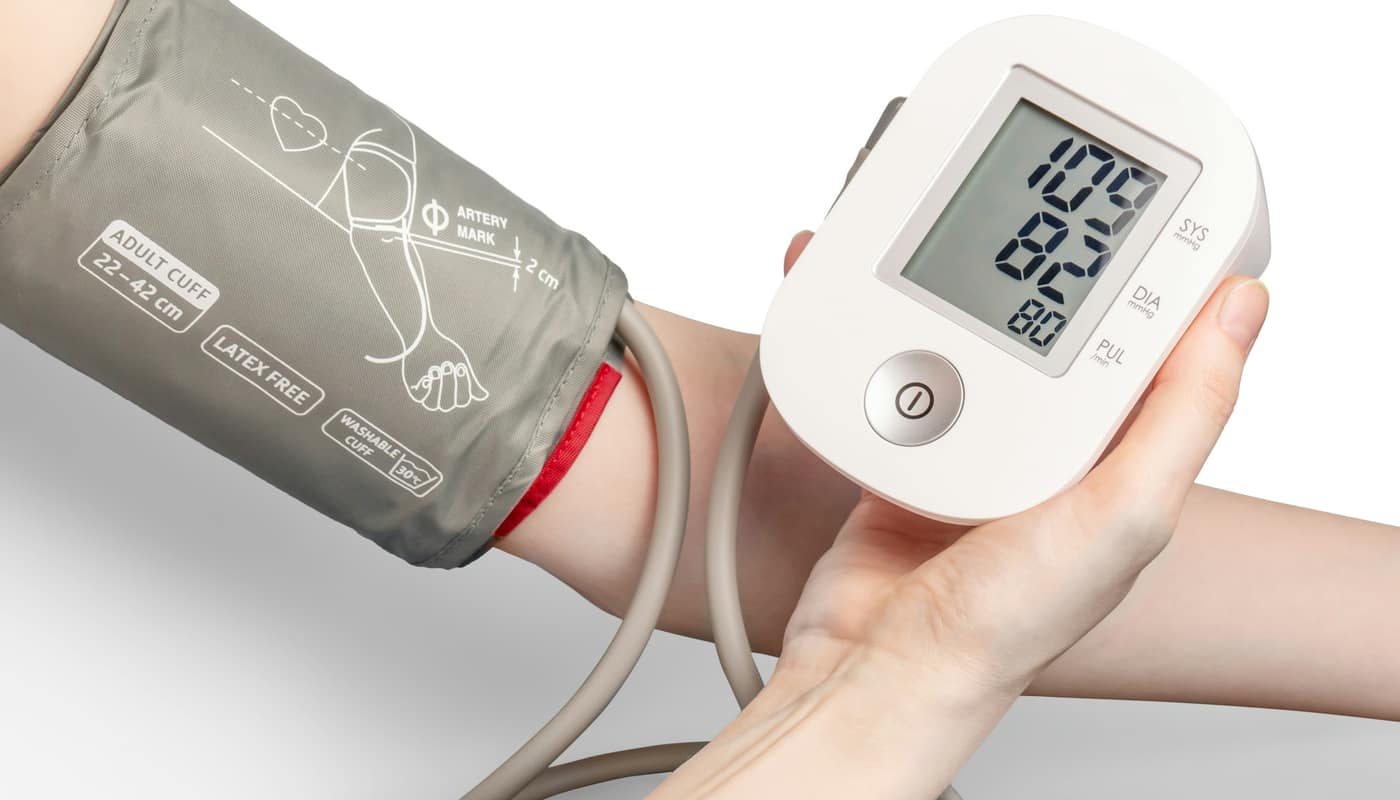
The guidelines summarize evidence that regular physical activity lowers the risk of premature death, heart disease, stroke, type 2 diabetes and several cancers. It also improves mood and cognitive health, helps with weight management and supports sleep. Benefits begin to accrue quickly, and they build with time. Effects on blood pressure and on sleep are two of the ways people commonly notice the change.
The guidelines also stress reducing sitting time. Replacing sedentary time with even light activity has benefits, and breaking up long periods of sitting is worthwhile.
Surveys by the Centers for Disease Control and Prevention suggest that many American adults fall short of the aerobic target, and still fewer meet both the aerobic and muscle-strengthening targets, so the guidance is closer to a goal than a description of how most people live.
Starting without overdoing it
- Begin where you are. If you currently do very little, a few ten-minute walks a day are a real start.
- Increase gradually. Adding a little time or intensity each week lowers the risk of injury and burnout.
- Choose things you enjoy. The best routine is one you will repeat, whether that is walking with a friend, dancing, gardening, a team sport or a class.
- Add strength. Body-weight exercises, resistance bands, free weights or machines all count. Two sessions a week is the target.
- Warm up and cool down, and listen to pain. Mild muscle soreness is normal, while sharp or lasting pain is not.
- Pay attention to conditions. Drink water, dress for the weather and avoid extreme heat or cold.
A trip outdoors can be an easy way to build activity, and planning around fitness and altitude is part of planning a national park visit.
When should you check with a doctor?
Most people can start with light or moderate activity safely. The guidelines and public health sources suggest talking to a health professional first if you have heart disease, diabetes, kidney disease or another chronic condition, if you are pregnant, or if you have symptoms such as chest pain, dizziness or shortness of breath during activity. Stop and seek medical advice if those occur.
Sources: U.S. Department of Health and Human Services; Physical Activity Guidelines for Americans; Centers for Disease Control and Prevention; American Heart Association; American College of Sports Medicine