This is general information, not medical advice. If you have persistent sleep problems or health concerns, talk with a clinician.
“Eight hours” is the number most people remember, but the real answer is a range, and it changes with age. Sleep is not a luxury that can be traded freely for productivity. It is a basic biological need, and shortchanging it for long periods is linked to a range of health problems. Here is what the main guidance says, and what can help.
How many hours do adults need?
The Centers for Disease Control and Prevention lists recommended amounts of sleep by age group. For adults:
- Ages 18 to 60: 7 or more hours per night.
- Ages 61 to 64: 7 to 9 hours.
- Ages 65 and older: 7 to 8 hours.
These figures reflect a consensus statement by the American Academy of Sleep Medicine and the Sleep Research Society, which concluded that adults should regularly sleep seven or more hours a night for optimal health. Children and teenagers need more: the American Academy of Pediatrics supports recommendations of roughly 8 to 10 hours for teens, and more for younger children.
Individual needs vary. Some people feel well on the lower end of the range and others need more, and illness, pregnancy and stress can change requirements for a time. Counting hours is a starting point. How you feel during the day, whether alert and able to function without heavy reliance on caffeine, is another clue.
Why sleep matters
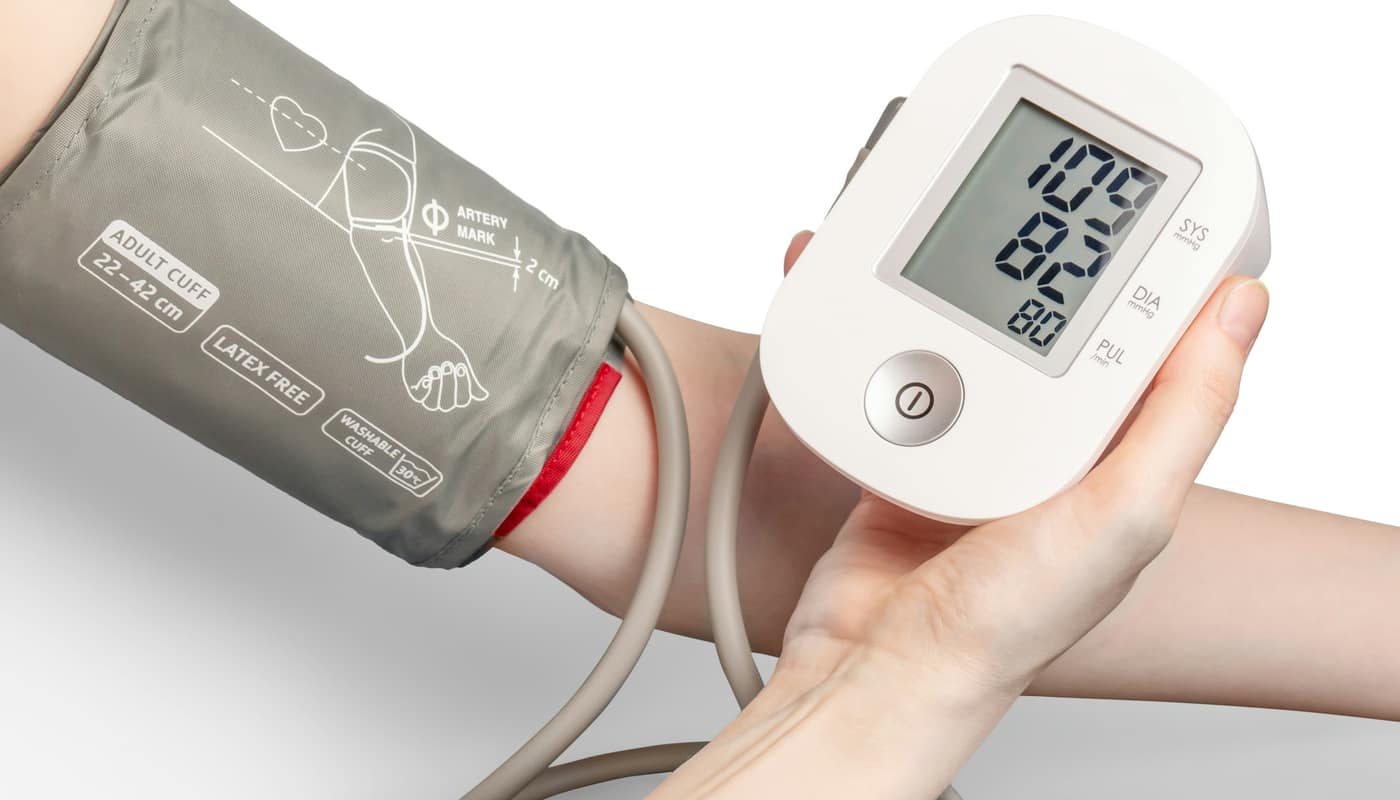
Sleep supports memory, mood, immune function, metabolism and cardiovascular health. The CDC notes that adults who regularly sleep less than seven hours a night are more likely to report health conditions such as obesity, diabetes, high blood pressure, heart disease and depression. These findings show association, not proof that short sleep alone caused those outcomes, because other factors are involved, and the relationship can run in both directions. A link with blood pressure is one example researchers study closely.
Short sleep also affects safety. Drowsiness slows reaction time and attention, and drowsy driving is a recognized hazard on the road.
What gets in the way
- Irregular schedules such as shift work and variable bedtimes.
- Light and screens late at night, which can delay the body’s signal to wind down.
- Caffeine and alcohol. Caffeine can stay in the body for hours, and alcohol may help you fall asleep but tends to fragment sleep later in the night.
- Stress and worry.
- An uncomfortable bedroom, whether too warm, noisy or bright.
- Medical conditions and medicines, from pain to sleep apnea to side effects.
- Travel across time zones, a subject covered in how to handle jet lag.
Habits that help
Sleep medicine groups and public health agencies recommend a set of habits, often called sleep hygiene:
- Keep a consistent schedule. Go to bed and get up at about the same time every day, including weekends.
- Create a good sleep environment. Aim for a bedroom that is dark, quiet and cool.
- Wind down. A calming routine for the last half hour or so before bed can help, such as reading or gentle stretching.
- Limit screens and bright light in the hour before bed where practical, and avoid doing work in bed.
- Watch caffeine, alcohol and big meals late in the day.
- Get daylight and be active. Morning light helps anchor the body clock, and regular exercise tends to improve sleep, as discussed in what the physical activity guidelines say. Vigorous exercise very close to bedtime bothers some people.
- If you can’t sleep, don’t lie there for long. Many specialists suggest getting up after about 20 minutes and doing something quiet in low light until you feel sleepy.
- Keep naps short and earlier in the day, if you nap.
When is it more than a bad week?
Occasional poor nights are common. Consider talking to a health professional if:
- You have trouble falling or staying asleep at least three nights a week for a month or more, which may point to chronic insomnia.
- You snore loudly, gasp or stop breathing during sleep, or feel very sleepy during the day despite enough time in bed. These can be signs of sleep apnea, which is treatable.
- You have strong urges to move your legs at night, or unusual behaviors in sleep.
- You rely on sleep medications or supplements regularly.
For chronic insomnia, the American College of Physicians recommends cognitive behavioral therapy for insomnia, known as CBT-I, as the first-line treatment, because it addresses the thoughts and habits that keep problems going. Many programs are available through clinicians, and some are offered digitally. A health professional can also check whether another condition or a medication is involved.
Sleep trackers and gadgets
Wearables and apps can show patterns, such as how long you were in bed, and some people find that useful. Their estimates of sleep stages are less reliable than a clinical sleep study, and focusing too much on the numbers can itself create worry. If tracking helps you keep a consistent routine, it can be a tool, and if it increases anxiety, it is fine to set it aside.
Sources: Centers for Disease Control and Prevention; American Academy of Sleep Medicine; Sleep Research Society; American College of Physicians; National Institutes of Health