This article is general information. It is not medical advice and cannot tell you what your own readings mean. Talk with a clinician about your numbers and your health.
A blood pressure reading is one of the most common numbers in medicine, and one of the least understood. People are told it is “120 over 80” and nod. Knowing what the two figures mean, what counts as high and how to measure it properly can make conversations with a doctor more productive.
What the two numbers mean
Blood pressure is the force of blood pushing against the walls of the arteries as the heart pumps. It is measured in millimeters of mercury, written mm Hg, and reported as two numbers:
- Systolic pressure is the top number. It measures the pressure when the heart beats and pushes blood out.
- Diastolic pressure is the bottom number. It measures the pressure between beats, when the heart rests and refills.
A reading of 120/80 is “120 over 80.” Either number can be high. Persistently elevated pressure, called hypertension, makes the heart work harder and, over years, can damage blood vessels and organs. It is a major risk factor for heart attack, stroke, kidney disease and other conditions, and it often causes no symptoms, which is why it is sometimes called a silent condition.
The Centers for Disease Control and Prevention reports that nearly half of U.S. adults have hypertension, defined under current guidelines, and that many do not have it under control.
What counts as normal, elevated or high?
The categories used by the American Heart Association and American College of Cardiology, from their 2017 guideline, are widely cited:
| Category | Systolic (top number) | Diastolic (bottom number) |
|---|---|---|
| Normal | Less than 120 | and less than 80 |
| Elevated | 120 to 129 | and less than 80 |
| Stage 1 hypertension | 130 to 139 | or 80 to 89 |
| Stage 2 hypertension | 140 or higher | or 90 or higher |
| Hypertensive crisis | Higher than 180 | and/or higher than 120 |
A diagnosis is not made from a single reading. Clinicians typically look at multiple readings on more than one occasion, and they take other factors into account, such as age, other conditions and overall cardiovascular risk. Guidelines are periodically updated, and treatment targets can differ for particular patients, so these categories are a framework, not a personal verdict.
A hypertensive crisis is an emergency threshold. The American Heart Association advises that if a reading is that high and you have symptoms such as chest pain, shortness of breath, back pain, numbness, weakness, vision changes or trouble speaking, you should call 911. If there are no symptoms, wait a few minutes and measure again, and contact a health care professional right away if it stays that high.
Why a reading can vary so much
Blood pressure naturally changes through the day and with activity, stress, caffeine, pain, temperature and sleep. Two patterns are worth knowing:
- White coat hypertension. Readings are higher in a medical office than at home, often because of nervousness.
- Masked hypertension. Readings look normal in the office but are higher at other times.
Because of this variability, home measurements can give clinicians a fuller picture, and many guidelines encourage them for people with elevated readings.
Measuring at home
Accuracy depends on technique and equipment. The American Heart Association and other health groups recommend:
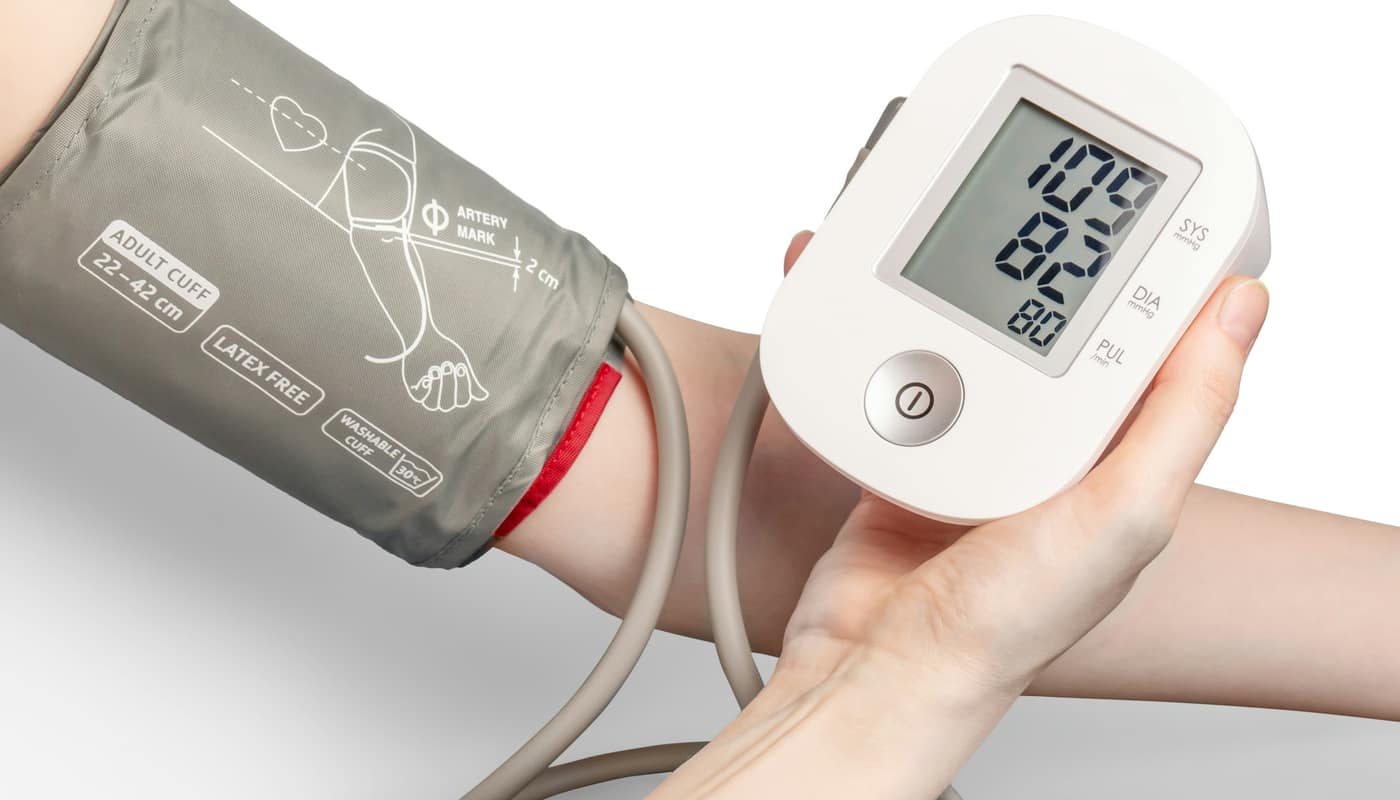
- Use a validated upper-arm monitor. Wrist and finger devices tend to be less reliable. The cuff should fit your arm, since a cuff that is too small or too large can distort the reading. Many pharmacists can help check size, and there are lists of validated devices.
- Prepare. Avoid caffeine, exercise and smoking for 30 minutes before measuring. Empty your bladder first.
- Sit properly. Sit quietly for five minutes with your back supported, feet flat on the floor and legs uncrossed. Rest your arm on a table at about heart level.
- Place the cuff on bare skin, not over clothing.
- Take two readings about a minute apart and record both.
- Be consistent. Many clinicians suggest measuring in the morning and the evening for about a week before an appointment, then bringing the log, or the device, to the visit.
Don’t adjust any medicine based on home readings without talking to a doctor.
What can lower blood pressure
Lifestyle changes are the first recommendation for many people and can make a measurable difference even for those who also take medication:
- Eating patterns such as the DASH diet, which emphasizes vegetables, fruits, whole grains, low-fat dairy and limited sodium. The Dietary Guidelines for Americans advise adults to keep sodium under 2,300 milligrams a day, and the American Heart Association recommends aiming lower for many people.
- Regular physical activity, which is covered in what the physical activity guidelines say.
- Maintaining a healthy weight, since weight loss often lowers pressure.
- Limiting alcohol and avoiding tobacco.
- Sleep and stress management. Poor sleep and sleep disorders such as sleep apnea are linked with higher blood pressure, and how much sleep adults need is a useful starting point.
Some people also need medication, and there are several classes of drugs. The choice depends on the individual, and it is a decision for a clinician.
When should you see a doctor?
Get a baseline check at routine visits, and sooner if you have a family history, other risk factors or symptoms. If home readings are consistently above the normal range, schedule an appointment. If you are already treated for hypertension, keep follow-up visits and tell your clinician about any side effects.
The American Heart Association, CDC and National Heart, Lung, and Blood Institute all offer patient guides with more detail.
Sources: American Heart Association; American College of Cardiology; Centers for Disease Control and Prevention; National Heart, Lung, and Blood Institute; Dietary Guidelines for Americans