Ask who runs American elections and many people picture a federal agency in Washington. There is no such agency in charge. The country’s elections are administered by states and by thousands of local jurisdictions, under a patchwork of constitutional provisions, federal laws and state rules. That is why voting procedures differ from one place to another, and why a claim about “the election system” often turns out to describe only one state or county.
This article explains how election administration is organized. It does not take a position on any election result, law or candidate.
What the Constitution says
The Elections Clause in the Constitution’s first article says that the “Times, Places and Manner” of holding elections for the House and Senate are set by each state’s legislature, but that Congress can “make or alter” those regulations at any time, with an exception for where senators are chosen. For presidential elections, Article II says each state appoints electors “in such Manner as the Legislature thereof may direct.” The Constitution does not create a national election agency.
Amendments add important limits on how states may use their power. They prohibit denying the right to vote because of race, sex, failure to pay a poll tax or age for citizens 18 and older, among other protections. Federal courts hear challenges to election laws on constitutional grounds.
What federal law adds
Congress has used its authority to set baseline rules that apply across states:
- The Voting Rights Act of 1965, which prohibits voting practices that discriminate on the basis of race or language minority status, and which has been amended and reinterpreted by courts over the years.
- The National Voter Registration Act of 1993, often called “motor voter,” which requires states to offer registration at motor vehicle offices and certain agencies, and sets rules for maintaining voter lists.
- The Help America Vote Act of 2002, passed after the 2000 election, which provided funds to upgrade voting equipment, required statewide registration databases and provisional ballots, and created the Election Assistance Commission to serve as a clearinghouse and to certify voting system standards.
- Laws protecting military and overseas voters, which require states to send ballots to them in time.
The Justice Department enforces many of these laws. The Federal Election Commission regulates campaign finance, which is a different subject from running the voting process.
Who does the work at home?
Within each state, a chief election official, often the secretary of state but sometimes a board or commission, sets procedures, certifies results and issues guidance. The day-to-day work is local. Counties, cities or towns, depending on the state, maintain voter lists, staff polling places, mail ballots, run early voting and count votes. The country has thousands of such local election offices, which range from large departments in major counties to a single clerk in a small town.
Those officials are chosen in different ways. Some are elected and some are appointed, some are partisan and some nonpartisan, and many states use bipartisan teams at the polling place. Poll workers are mostly temporary staff and volunteers.
Why the rules differ so much
Because states decide. Differences include:
- Registration deadlines, and whether a state allows same-day registration.
- Voter identification, with requirements ranging from none beyond a signature to strict photo ID.
- Early and mail voting, including who may vote by mail and when ballots must arrive.
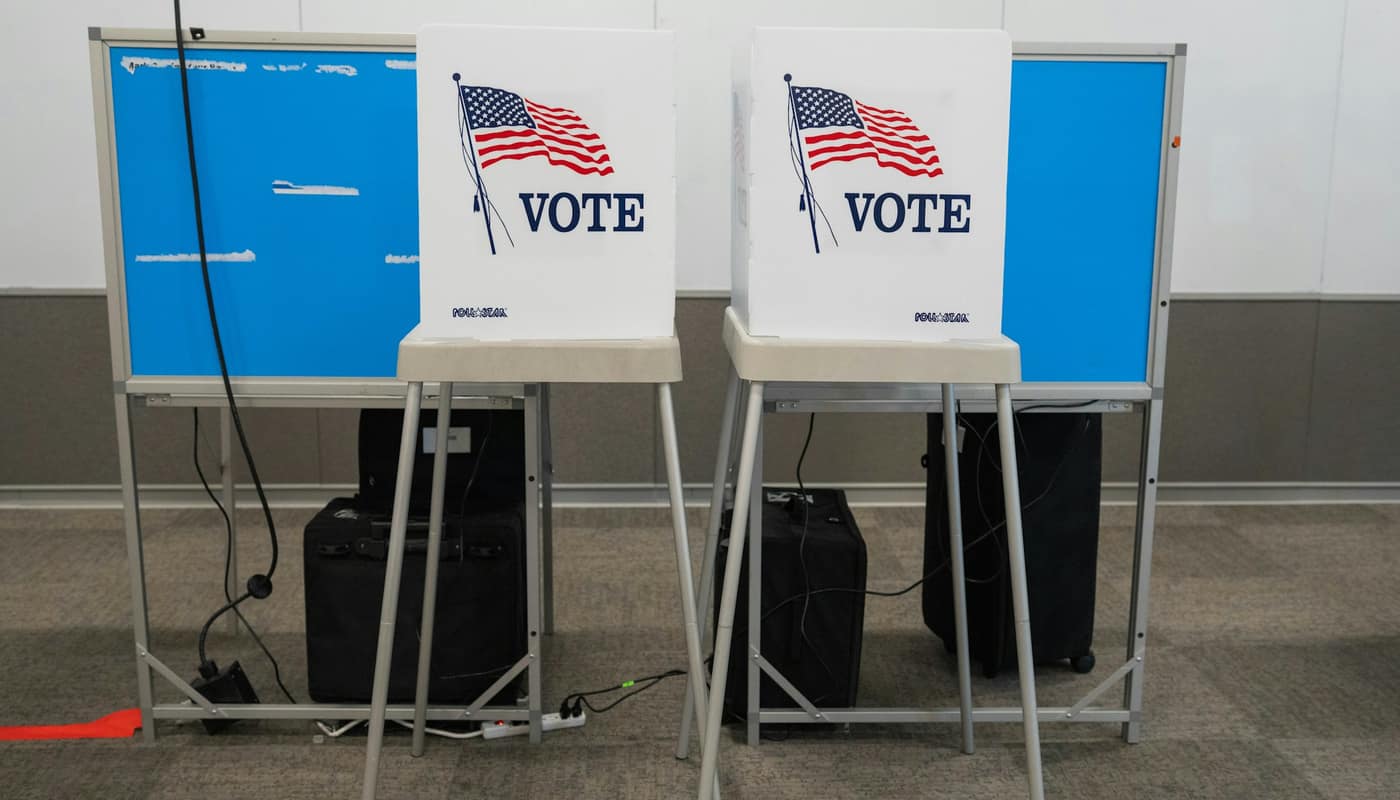
- Voting equipment, which includes hand-marked paper ballots, ballot-marking devices and, in some places, electronic machines that produce a paper record.
- Counting and reporting timelines, including when mail ballots can start being processed.
People hold strong and differing views on which rules best balance access and security. Studies and official reviews of both are published by state governments, the Election Assistance Commission and independent researchers, and they do not all reach the same conclusions.
Checking and certifying results
After polls close, local officials count the ballots, and there is a process of canvassing, in which they reconcile the totals, review provisional and mail ballots, and confirm that the numbers add up. Results are then certified at the county level and again by the state. Many states also conduct post-election audits, in which a sample of paper ballots is compared with machine totals, and some use “risk-limiting audits,” which are designed to give statistical confidence in the outcome. Recounts occur automatically in some close races and on request in others, depending on state law.
Disputes go to courts. State and federal judges resolve challenges to procedures and results, and which court hears a case depends on the claim, a distinction covered in federal courts versus state courts.
How this connects to the rest of the system
Presidential elections add another layer. Voters in each state choose electors who then cast the votes that decide the presidency, a process explained in the Electoral College. District lines for the House and state legislatures are drawn using population figures from the census, and who draws them varies by state.
Where can voters find reliable information?
The most reliable source is your own state or county election office, which lists registration deadlines, polling places, ID rules and sample ballots. Vote.gov, run by the federal government, links to each state’s official site. Be careful of look-alike websites and of messages that give a date or a place that does not match official sources.
Sources: U.S. Constitution; Election Assistance Commission; U.S. Department of Justice; National Conference of State Legislatures; Vote.gov