When a legal case makes the news, one of the first questions is where it is being heard. The answer matters, because the United States has two separate court systems working side by side: one run by each state, and one run by the federal government. They apply different laws, use different judges and follow different procedures, though they are linked by the principle that federal law is supreme.
Why the country has two systems
The structure comes from federalism, the division of power between the national government and the states. The Constitution gives the federal government specific powers and leaves others to the states. The courts mirror that arrangement. Each state has its own constitution, laws and courts, and the federal government has the courts established under Article III of the Constitution and laws passed by Congress.
The result is that most everyday legal matters, from traffic tickets and divorces to contracts, property disputes and most crimes, are decided under state law in state courts. Federal courts have limited jurisdiction. They can hear only the kinds of cases the Constitution or Congress has authorized.
What a state court system looks like
The details differ by state, but the general pattern has three levels:
- Trial courts. These are where cases begin, where evidence is presented and where juries or judges decide facts. Many states have specialized trial courts for matters such as family law, probate or small claims.
- Intermediate appellate courts. Most states have them. They review trial court decisions for legal errors but do not hold new trials.
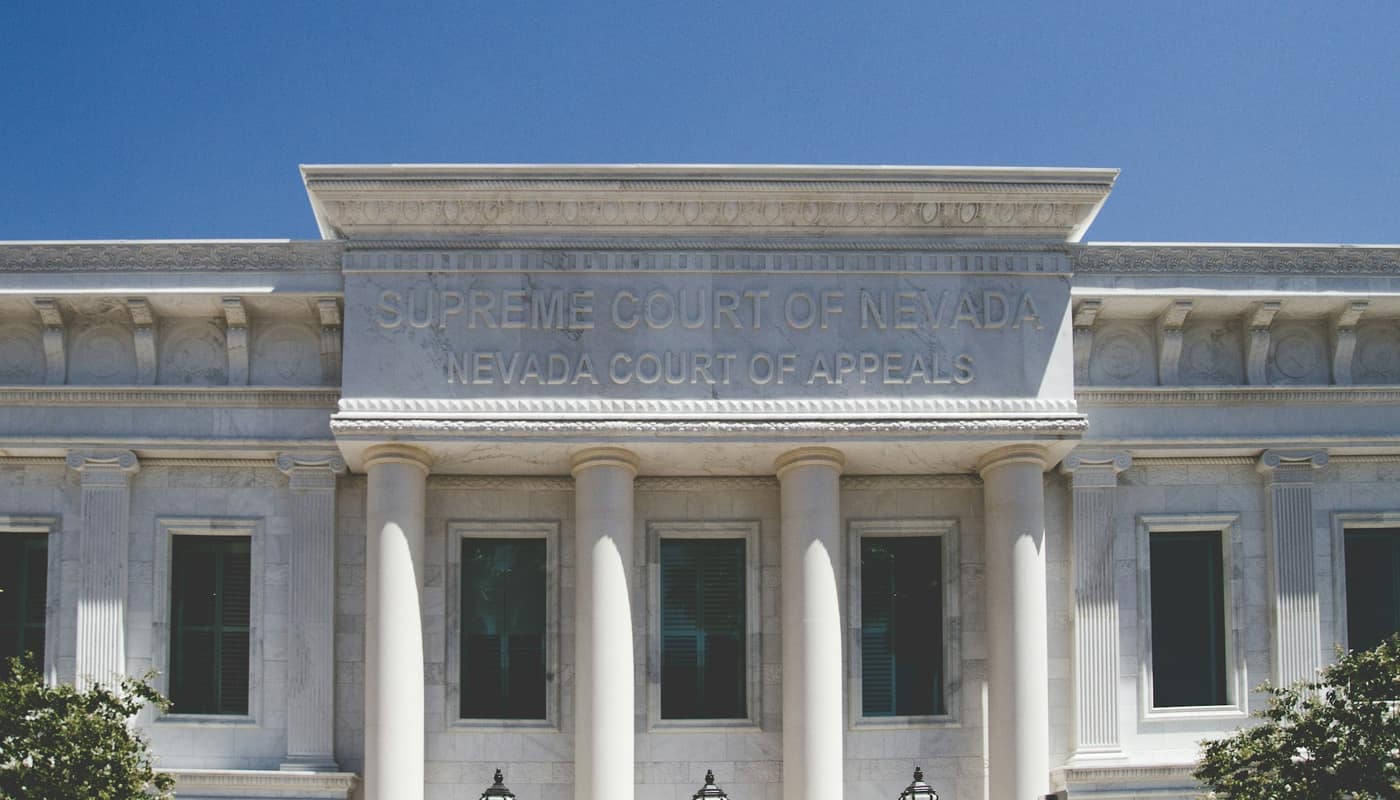
- A state supreme court. This is the highest court on questions of state law. In some states it goes by another name.
Judges are chosen in different ways: gubernatorial appointment, legislative selection, partisan or nonpartisan elections, or a mix. This variety is one of the big differences between state systems and the federal one.
How the federal system is built
The federal courts also have three main tiers:
- U.S. district courts. There are 94 federal judicial districts, which serve as the trial courts.
- U.S. courts of appeals. There are 13 of them, 12 regional circuits plus the Federal Circuit, which hears specialized cases such as patent appeals. They review district court decisions.
- The Supreme Court. Nine justices sit on the Court, which chooses most of the cases it hears.
Federal judges are nominated by the President and confirmed by the Senate. Article III judges serve “during good behavior,” which in practice means for life unless they resign, retire or are impeached and removed. The design is meant to insulate them from political pressure.
Which cases go to federal court?
Federal courts generally hear cases that fall into a few categories:
- Federal questions. Cases that arise under the Constitution, federal statutes or treaties, such as federal crimes, civil rights claims, bankruptcy and tax disputes.
- Diversity jurisdiction. Disputes between citizens of different states, or between a citizen and a foreign party, when the amount at stake exceeds a statutory threshold, currently $75,000.
- Cases involving the federal government as a party, and certain other matters Congress has assigned to the federal courts, such as admiralty and, by statute, claims arising under copyright, patent and trademark law. The way copyright protects creative work is one example where federal law and federal courts take the lead.
Some matters can be heard in either system. A person might be sued in state court on a claim that also raises a federal question, and in some situations a defendant can ask to move, or “remove,” the case to federal court. The same conduct can also violate both state and federal criminal law, so a person can face separate prosecutions without violating the Double Jeopardy Clause, under what is called the dual sovereignty doctrine.
Appeals, and where the Supreme Court comes in
Appeals normally stay within a system. A state case moves up through state appellate courts and ends at the state supreme court, which has the last word on questions of that state’s law.
If a state case turns on a question of federal law, such as a constitutional right, a party can ask the U.S. Supreme Court to review the state’s highest court. The Supreme Court takes a small share of the petitions it receives, usually cases that present an important legal question or where lower courts disagree. When the Supreme Court decides a federal question, its ruling binds courts in both systems.
Why does it matter to ordinary people?
Knowing which court has jurisdiction explains a lot about news coverage: why a challenge to a state law may begin in a federal court, why the same issue can be resolved differently in different states, and why lawmakers writing statutes must think about which courts will interpret them. It also explains why legal questions that touch the press, such as whether a reporter can be compelled to name a source, can depend on which court is involved, a point that comes up in discussions of why reporters use anonymous sources.
Courts also publish a great deal of information. The federal judiciary posts procedures and statistics, and each state court system has its own public portal, which is a good first stop for anyone trying to understand a case that affects them.
Sources: United States Courts; Constitution of the United States; Congressional Research Service; National Center for State Courts