Tariffs are among the oldest tools of economic policy, and among the most argued over. Supporters say they protect domestic industries and give countries leverage in negotiations. Critics say they raise costs and invite retaliation. Both sides can point to evidence, and part of the confusion comes from not being clear about what a tariff is and where the money goes.
What a tariff is
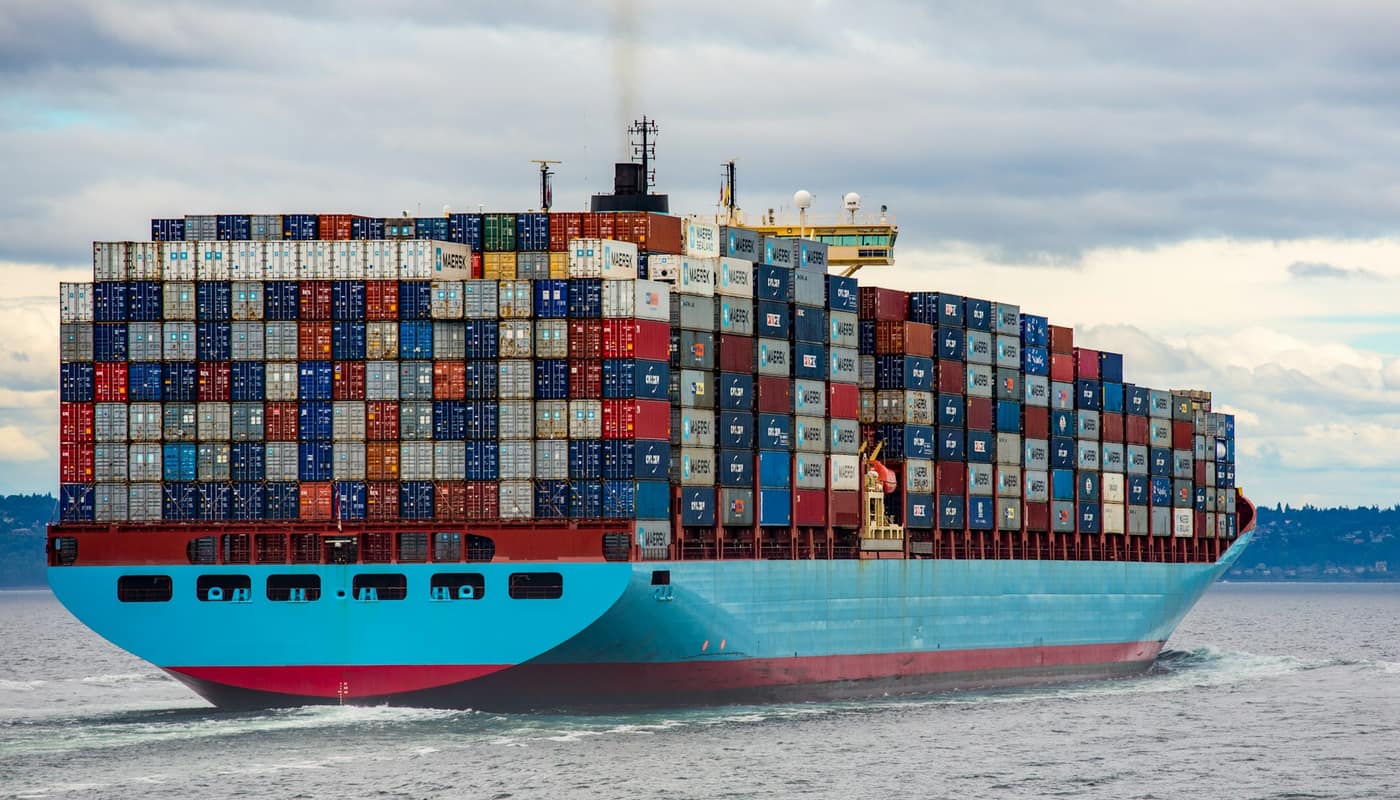
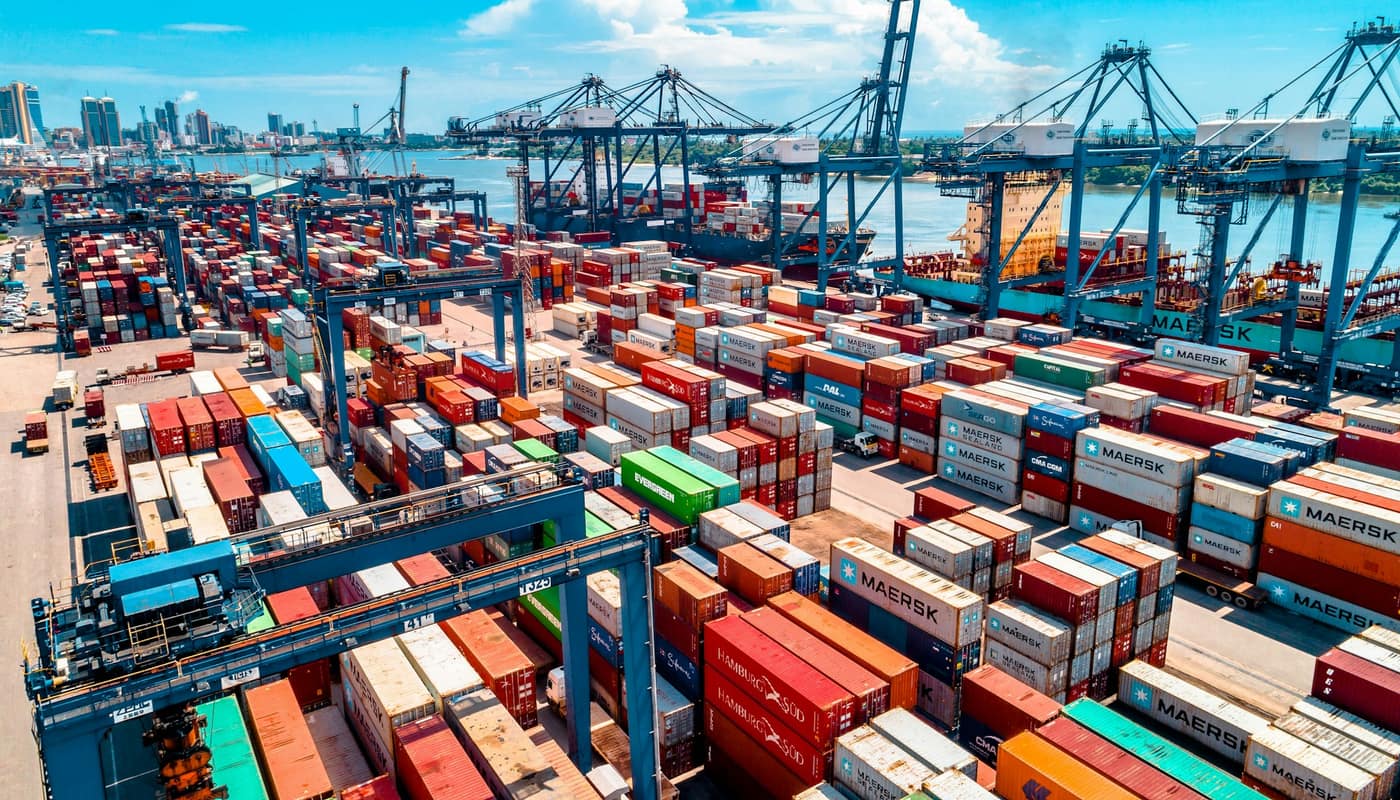
A tariff, also called a duty, is a tax on imported goods. It is usually set as a percentage of the product’s value, or sometimes as a fixed amount per unit. When goods arrive at a U.S. port or border, U.S. Customs and Border Protection classifies them, determines their value and country of origin, and collects any duty owed. The revenue goes to the U.S. Treasury.
How much is owed depends on how the product is classified. Imports are sorted under a detailed code system, the Harmonized Tariff Schedule, and two similar-looking goods can carry different rates, which is why exemptions, exclusions and reclassification fights are a regular part of trade disputes.
The legal payer is the importer of record, the business that brings the goods in. That is the key point: a tariff is not paid by the foreign country, and it is not paid directly by the foreign exporter. A U.S. company pays it at the border.
Who actually bears the cost?
Economists distinguish between who writes the check and who ends up worse off, a concept called tax incidence. The importer can respond in several ways:
- Raise prices to customers, passing along some or all of the cost.
- Accept lower profit by absorbing part of the duty.
- Negotiate with the foreign supplier, who might lower its price to keep the sale.
- Switch suppliers to a country with a lower tariff or to domestic producers.
Which of these happens depends on how easily buyers can find substitutes, how much competition exists and how large the tariff is. Studies of the U.S. tariffs imposed in 2018 and 2019 found that most of the cost was passed through to U.S. importers and, in turn, to businesses and consumers, with little evidence that foreign exporters cut their prices much. Other research looks at different time frames and sectors and reaches more mixed findings on particular products. The overall conclusion that a substantial share falls on domestic buyers is widely cited, though the exact split varies by case.
Tariffs can help some U.S. producers. A domestic steelmaker, for example, may sell more and charge more when imports become costlier. But the benefit to that industry has to be weighed against higher costs for companies that use the product, and against any retaliation. This is a trade-off that analysts argue about, with different views on how to weigh protected jobs against higher prices.
Who decides on tariffs?
The Constitution gives Congress the power to lay and collect duties and to regulate commerce with foreign nations. Over the decades, Congress has delegated a good deal of that authority to the executive branch through statutes. A few of the best known:
- Section 232 of the Trade Expansion Act of 1962 allows tariffs on imports found to threaten national security.
- Section 301 of the Trade Act of 1974 lets the U.S. Trade Representative act against unfair foreign trade practices.
- Section 201 allows temporary safeguards when a surge of imports seriously injures a domestic industry.
- Antidumping and countervailing duties are applied after investigations by the Commerce Department and the International Trade Commission find imports sold below fair value or subsidized.
The reach of presidential authority under some of these laws, and under emergency statutes, has been contested in court, and the legal situation can change. Anyone following a specific tariff should check the current text of the order and any pending litigation.
How other countries respond
Governments can retaliate with their own tariffs on exports, often targeting politically sensitive products. They can also file complaints at the World Trade Organization, which has a dispute settlement process, negotiate exemptions, or redirect trade to other partners. Retaliation can hit exporters, such as farmers, in the country that started the dispute. These dynamics connect to the way countries use other tools of pressure, including economic sanctions, and tariffs are a regular topic for leaders meeting at forums like the G7 and G20.
Prices and inflation
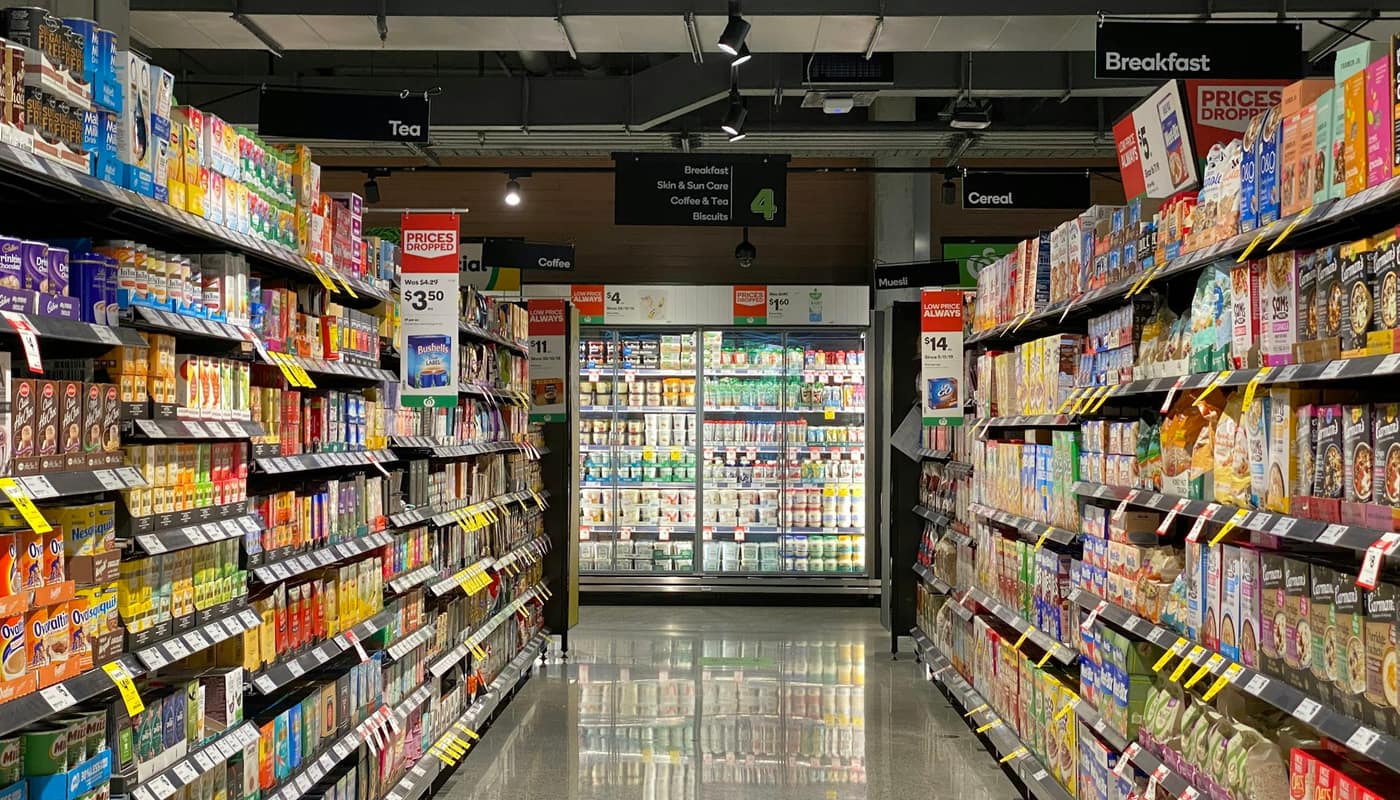
Higher import costs can push up prices for affected goods, though the effect on the overall price level depends on the size and scope of the tariffs and on how much importers absorb. A one-time tariff increases the price level once, while ongoing increases can contribute to rising inflation. How those changes appear in official statistics is covered in what the consumer price index measures.
A short guide to reading a tariff story
Look for the rate and the product coverage, the effective date, any exemptions, and the legal authority cited. Ask who the importer is and what alternatives exist. And watch for claims that a foreign country “pays” the tariff, which is a simplification that the way duties are collected does not support. Customs data, Treasury revenue figures and trade statistics from the Census Bureau are public and can be checked directly.
This is general information about trade policy, not financial advice.
Sources: U.S. Customs and Border Protection; Office of the United States Trade Representative; Congressional Research Service; U.S. International Trade Commission; World Trade Organization