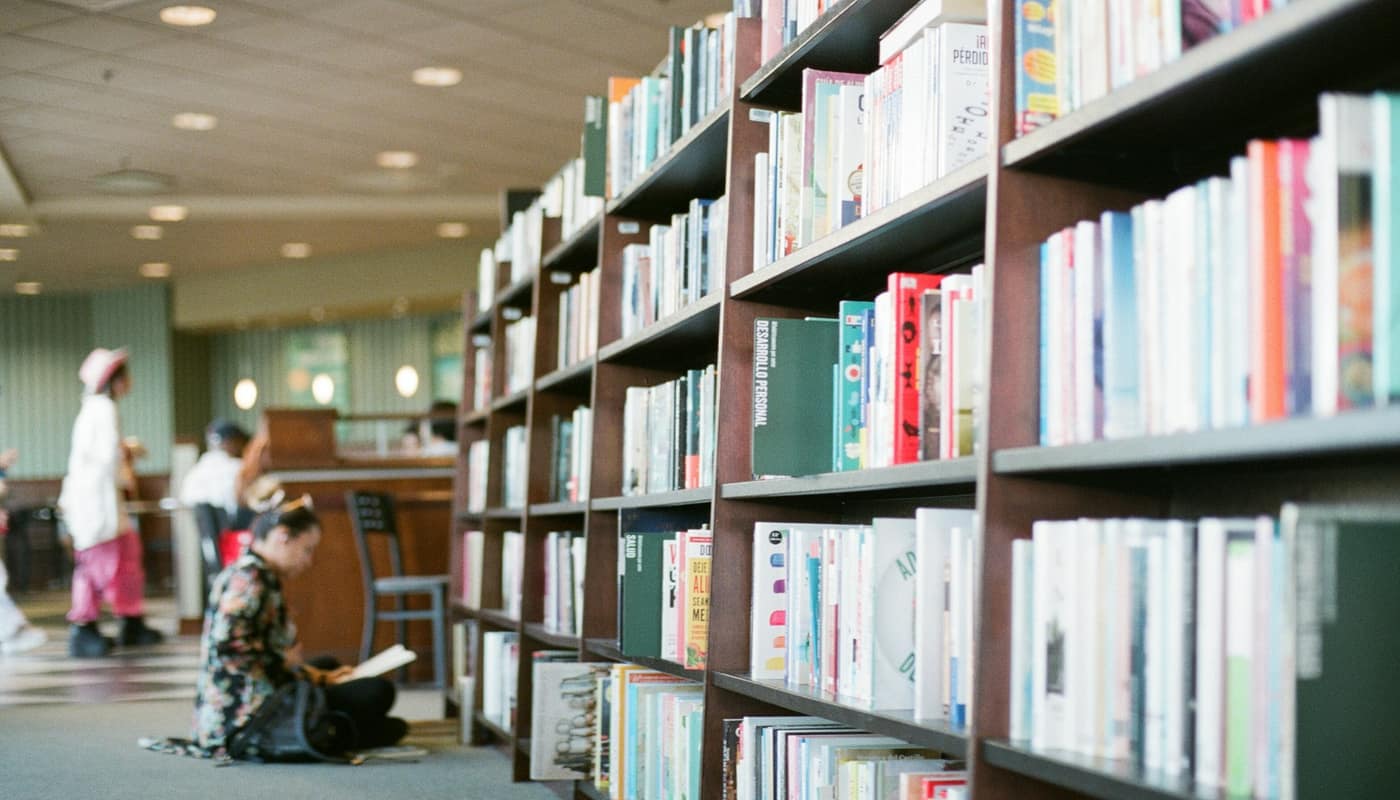
For most people, a public library is a place you walk into, show a card and walk out with something. The simplicity hides a surprisingly intricate system of governance, funding and licensing. Understanding it explains why your branch has the hours it does, why a popular e-book can have a waiting list and who decides what is on the shelves.
A public library, in legal terms
In the United States, public libraries are typically established under state law and operated by a local government, such as a city, county or special library district. Many are governed by a board of trustees, which sets policy, hires the director and adopts a budget, though arrangements vary. Some library systems serve a single town and others link branches across a county, and some states have regional or cooperative systems that share catalogs and delivery.
The tradition of free public access is long. Many American communities built libraries in the late 19th and early 20th centuries, and “free” in this sense means free at the point of use: residents pay through taxes, not at the desk.
Where the money comes from
The funding mix differs from place to place, but the general pattern is:
- Local government, usually the largest source, through property taxes or other local revenue. Libraries compete with other local services for those dollars, which is part of the picture in how property taxes help fund local schools, since many local budgets draw on the same tax base.
- State government, which may provide direct aid, support shared services such as statewide e-book collections and run the state library agency.
- Federal government, which contributes a smaller share, mainly through the Library Services and Technology Act, administered by the Institute of Museum and Library Services and passed to libraries through the state library agencies.
- Other sources, including fines and fees, donations, “friends of the library” groups, foundation grants and, in some cases, voter-approved levies or bonds.
Many libraries have dropped late fines in recent years, arguing that fines discouraged use without improving the return of materials, a choice that changes the revenue picture slightly while helping access.
What a library card gets you
Services extend well beyond lending books:
- Print collections, including books, magazines, audiobooks and DVDs.
- Digital lending, through apps and platforms that offer e-books, audiobooks, magazines and sometimes streaming video.
- Interlibrary loan, which lets a library borrow items from other libraries for its patrons.
- Computers, Wi-Fi and printing, an important source of internet access for people who lack it at home.
- Programs and classes, from children’s story times and homework help to job-search workshops, language classes and tax-preparation assistance.
- Reference help from librarians, who can guide research and help check information.
Why e-books have waiting lists?
A digital book is not a physical copy that exists once. Publishers license e-books and digital audiobooks to libraries under terms that they set. A common model gives a library one “copy” at a time per license, so only one patron can borrow it at once, and some licenses expire after a set period or a set number of loans, after which the library must pay again. Prices for library licenses are often higher than the consumer price, and publishers argue that this reflects the lending model and protects sales, while libraries and advocates argue that the terms strain budgets. The disagreement has led to state legislative proposals and to legal action, and its outcome is still evolving.
Physical books are different because of the first-sale doctrine, which lets libraries lend copies they own without a separate license, as laid out in how copyright protects creative work.
Who decides what goes on the shelves?
Libraries write collection development policies that describe how materials are chosen. Librarians consider community interests, reviews, circulation data, requests from patrons and budgets, and aim for a balance of subjects and viewpoints. The American Library Association’s Library Bill of Rights, which many libraries adopt, says that materials should not be excluded because of the origin, background or views of their authors.
Disputes happen. Patrons or groups sometimes challenge a book or ask for it to be moved or removed, and libraries typically have a written reconsideration process. The American Library Association tracks reported challenges, and the public debate over them has intensified in recent years, with people holding strongly different views about the role of libraries and the role of parents and elected officials. Local decisions, state laws and court cases shape the outcomes.
Using yours
Getting a card usually requires proof of residence in the library’s service area, and many systems offer cards to nonresidents or through reciprocal agreements. Check your library’s website for its catalog, digital collections, event calendar and hours. If you want something the library does not have, most accept purchase suggestions. Libraries also lend more than media: some offer tools, passes to museums and parks and seeds.
Libraries pair naturally with the rest of the media landscape. If a series has left your streaming service, the DVD may be on a library shelf, a point made in why streaming catalogs keep changing.
Sources: Institute of Museum and Library Services; American Library Association; Public Library Association; U.S. Census Bureau